
Infrared Sauna vs. Traditional Sauna: Which One Is Right for You?
Two very different paths to the same goal — deep relaxation, better recovery, and a wellness routine you'll actually stick to. Here's how to choose.
If you've been thinking about adding a sauna to your Long Island home, you've already encountered the central question: infrared or traditional? Both deliver real wellness benefits — but they work differently, feel different, and fit different lifestyles. The right choice depends on how you want to use it, where you plan to put it, and what you're hoping to get out of it.
This guide breaks down every meaningful difference between the two so you can make a confident, informed decision. And if you want to see your options in person, our team at Suntek Pools & Spas is here to help — we've been outfitting Long Island homes with wellness and recreational products since 1989.
How Each Type of Sauna Works
Traditional Saunas: The Time-Honored Method
Traditional saunas use a heat source — typically an electric heater or wood-burning stove — to warm the air inside the room to temperatures between 150°F and 195°F. Many users ladle water over heated rocks to generate bursts of steam, creating the classic humid, enveloping heat that has been central to wellness culture for centuries. The experience is intense, immersive, and deeply ritualistic.
Infrared Saunas: Modern Wellness Technology
Infrared saunas take a fundamentally different approach. Instead of heating the surrounding air, infrared panels emit light waves that penetrate directly into your body's soft tissues. Cabin temperatures run much lower — typically between 120°F and 150°F — but because the heat works from the inside out, many users report that it feels just as intense, or even more therapeutic, than a conventional sauna session. The experience is drier, quieter, and more accessible.
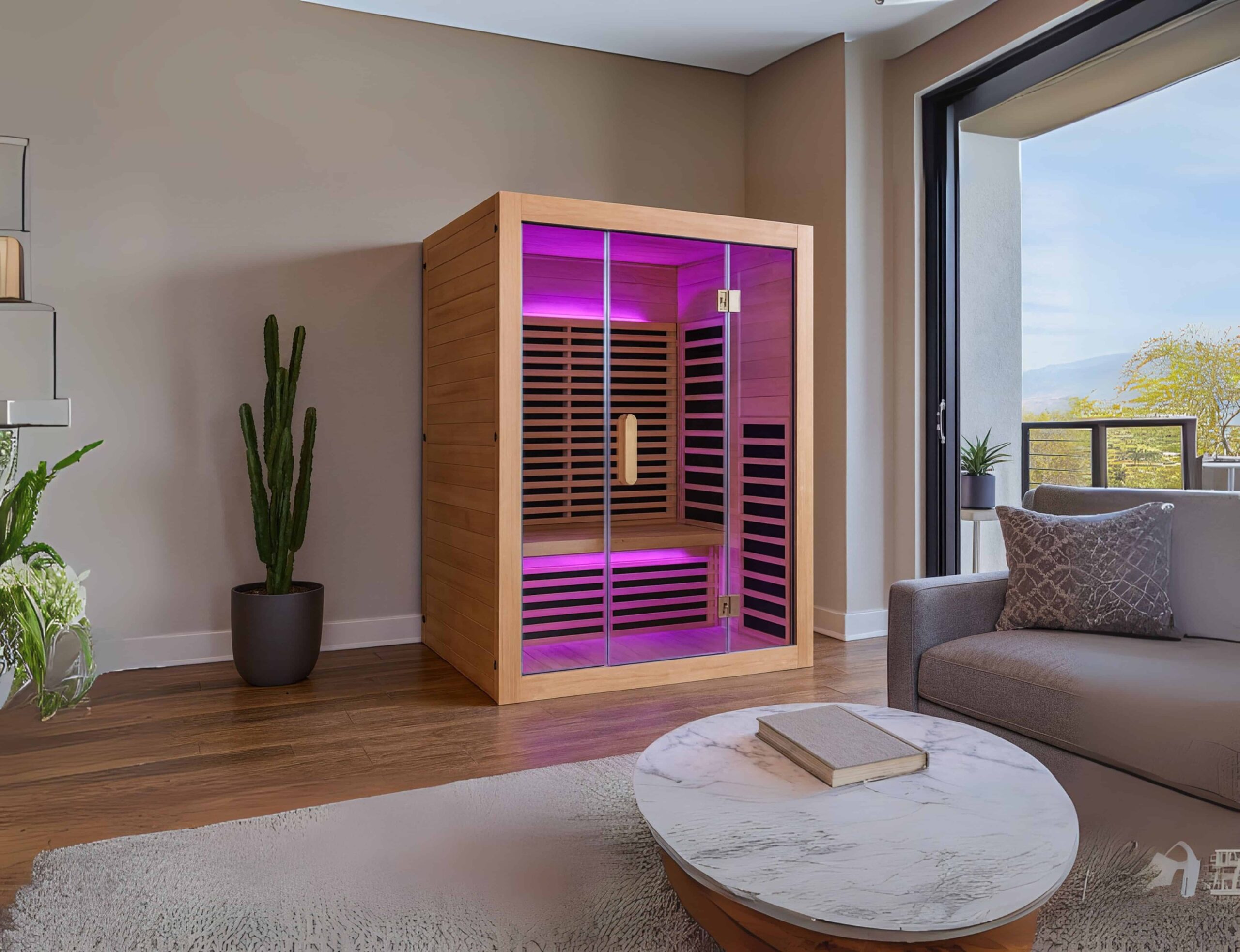
"The best sauna isn't the hottest one — it's the one that fits your lifestyle well enough that you'll actually use it consistently. Both infrared and traditional saunas offer real, documented wellness benefits when used regularly."
The Key Differences: A Side-by-Side Comparison
Here's a quick breakdown of how infrared and traditional saunas stack up across the factors that matter most to homeowners:
| Factor | Infrared Sauna | Traditional Sauna |
|---|---|---|
| Heat Source | Infrared light panels (direct tissue penetration) | Electric heater or wood stove (heats the air) |
| Temperature Range | 120°F – 150°F | 150°F – 195°F |
| Humidity | Dry | Dry to very humid (with steam/ladle) |
| Typical Session | 30–45 minutes | 15–20 minutes |
| Heat Depth | Deep tissue penetration | Surface/ambient heat |
| Installation | Compact, minimal ventilation needed, plug-in models available | Requires more space, dedicated ventilation, and wiring |
| Energy Use | Lower — more energy-efficient | Higher — greater energy draw |
| Key Benefits | Muscle recovery, joint relief, skin health, detox | Cardiovascular health, respiratory benefits, deep sweat |
| Best For | Beginners, recovery-focused users, smaller spaces | Traditional experience seekers, larger spaces, social use |
Health Benefits: What the Research and Experience Show
Both sauna types support genuine wellness outcomes — but with different emphases.
Shared Benefits
Whether you choose infrared or traditional, regular sauna use is associated with:
- Improved circulation — Heat causes blood vessels to dilate and increases heart rate, delivering more oxygen to muscles and organs.
- Deep muscle relaxation — Heat reduces muscle tension and soreness, making saunas popular with athletes and active homeowners.
- Detoxification through sweat — Both types induce significant sweating, which helps flush metabolic waste from the body.
- Stress relief and mental clarity — The quiet, heat-focused environment promotes relaxation, reduces cortisol, and supports better sleep.
Where They Differ
Infrared saunas are frequently highlighted for deeper muscle and joint relief. Because the infrared light penetrates into soft tissue rather than simply heating the ambient air, users dealing with chronic joint discomfort, post-workout soreness, or muscle tightness often report stronger, more targeted relief. Some studies have also linked regular infrared use to improvements in skin tone and texture.
Traditional saunas — particularly with steam — are more often associated with respiratory and cardiovascular benefits. The high-heat, high-humidity environment can support lung function and has been linked in multiple long-term studies (including notable Finnish research) to reduced cardiovascular risk with regular use.
For Long Island homeowners focused on year-round wellness — especially those managing the physical demands of an active lifestyle — both sauna types can be meaningful additions to a daily routine. The question is which one you'll actually use.
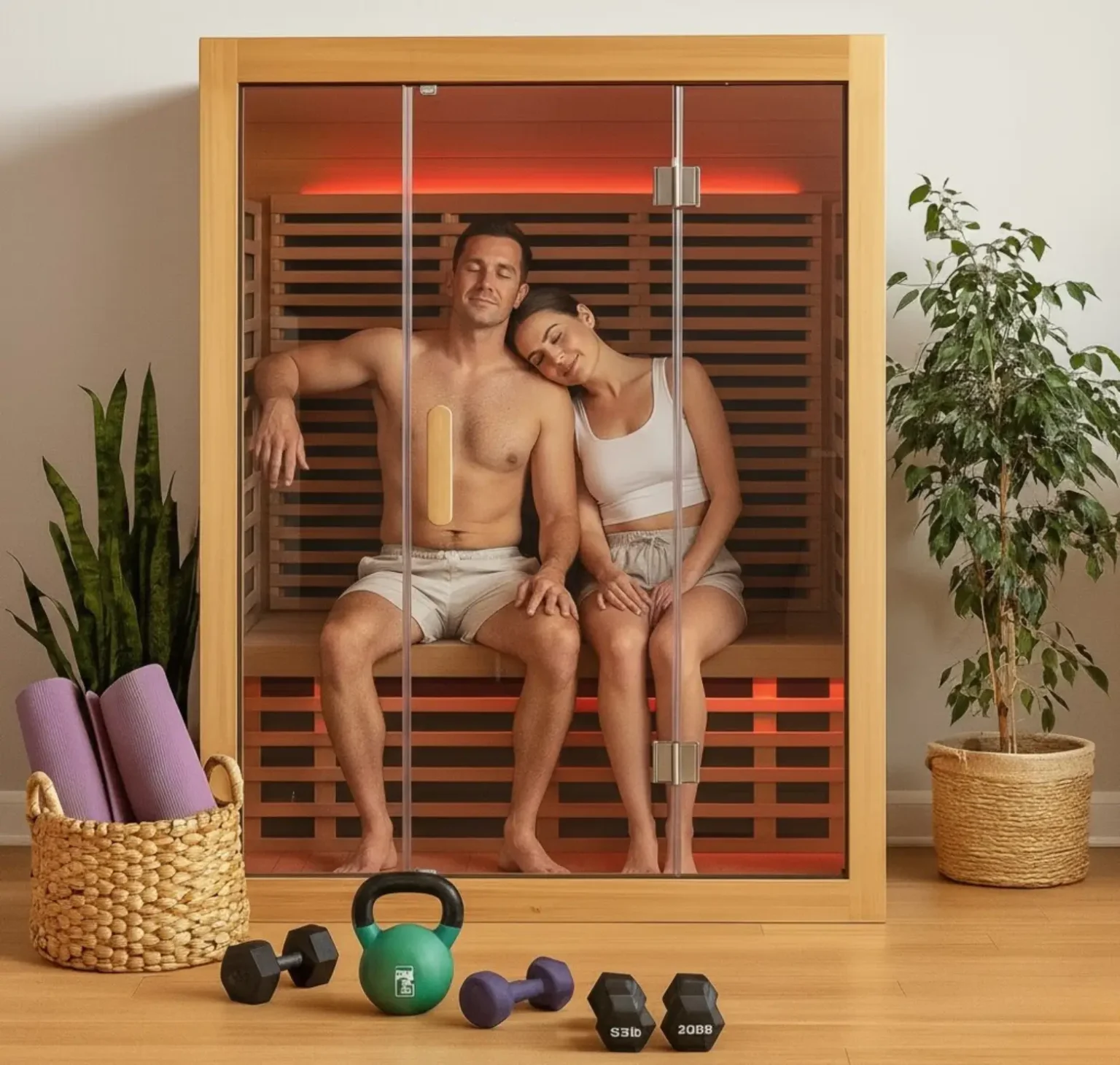
Which Sauna Is Right for You?
The honest answer is that neither type is objectively better — they're optimized for different priorities. Here's a practical breakdown:
Infrared Sauna May Be Your Best Fit If You...
- Prefer longer, lower-heat sessions for sustained relaxation
- Are focused on muscle recovery, joint relief, or skin wellness
- Want something compact that's easier to install at home
- Are newer to sauna use and want a gentler starting point
- Value energy efficiency and lower operating costs
- Have a smaller indoor space (spare bedroom, basement corner)
Traditional Sauna May Be Your Best Fit If You...
- Love the classic high-heat, steam experience
- Want a social sauna for family members or guests
- Are looking to replicate a spa or gym environment at home
- Have outdoor space or a larger dedicated room for installation
- Value the respiratory and cardiovascular benefits of steam
- Want the time-honored ritual and sensory experience
Installation, Space, and Energy: The Practical Side
For many Long Island homeowners, the practical factors are just as important as the wellness benefits. Here's what to know before you buy:
Infrared Sauna Installation
Most residential infrared saunas are self-contained cabin units that require minimal installation. Many plug-in models run on a standard 120V or 240V outlet and don't require custom ventilation. They can fit in a spare bedroom, a basement corner, a home gym, or even a garage — and because they're relatively compact, they're a more flexible option for homeowners without a dedicated large space.
Traditional Sauna Installation
Traditional saunas require more planning. You'll need adequate square footage, proper ventilation to manage the steam and heat, and typically a dedicated 240V circuit. Outdoor traditional saunas are a popular option for homeowners with yard space, offering an authentic Scandinavian sauna experience. Indoor installations are absolutely possible but require more structural preparation than infrared units.
Our team can walk you through what installation would look like for your specific home — there's no one-size-fits-all answer, and it's always worth having that conversation before you decide.
Frequently Asked Questions
Is an infrared sauna as effective as a traditional sauna?
Yes — different, but genuinely effective. Infrared saunas operate at lower ambient temperatures, but because the heat penetrates directly into body tissue rather than warming the surrounding air, the physiological effects are significant. Many users find that infrared sessions produce a deeper, more targeted feeling of muscle relief. Traditional saunas deliver a more intense ambient experience and stronger cardiovascular stimulus. Both support real wellness outcomes when used consistently.
Can I put a sauna in my Long Island home?
Absolutely. Both infrared and traditional saunas can be installed in a wide variety of residential settings — indoor rooms, garages, basement spaces, or outdoors. Infrared units are particularly flexible and can fit in smaller spaces. Our team at Suntek Pools & Spas works with Long Island homeowners across Nassau and Suffolk Counties to find solutions that fit the space and the budget. Give us a call at (631) 249-7727 to talk through your specific situation.
How long does it take for a sauna to heat up?
Traditional saunas typically require 30–45 minutes to reach operating temperature. Infrared saunas heat up much faster — usually 10–15 minutes — because the panels begin emitting heat immediately rather than waiting for ambient air to warm up. This makes infrared saunas more convenient for spontaneous daily use.
Which sauna is better for joint pain and arthritis?
Infrared saunas are often recommended for joint pain and arthritis relief due to their ability to penetrate directly into soft tissue and deliver heat at the joint level. The lower ambient temperature also makes infrared sessions more comfortable for people who find the intense heat of a traditional sauna difficult to tolerate. That said, both types of heat therapy can help reduce inflammation and stiffness — always consult your physician if you're managing a specific condition.
Can I finance a sauna purchase?
Yes. Suntek Pools & Spas offers 0% financing for up to 60 months through GreenSky, making it straightforward to bring a home sauna into your wellness routine without a large upfront cost. Ask our team for details during your visit or call us at (631) 249-7727.
The Bottom Line
You genuinely can't go wrong with either option — the best sauna is the one you'll use consistently, comfortably, and as part of a daily routine you can sustain. If you want the time-honored ritual with high heat and steam, a traditional sauna delivers. If you want modern wellness technology with a lower barrier to entry and easier installation, infrared is hard to beat.
What both have in common: they turn your home into a place of recovery, restoration, and real relaxation. For Long Island homeowners looking to invest in their health and quality of life, a home sauna is one of the most meaningful upgrades you can make.
Visit Our Sauna Showroom on Long Island
At Suntek Pools & Spas, we've been helping Long Island homeowners build their perfect wellness retreats since 1989. Visit our Farmingdale showroom to experience both infrared and traditional sauna options in person — or talk to one of our specialists about what makes sense for your home and your goals.
1282 Broadhollow Rd (RT 110), Farmingdale, NY 11735 · Mon–Sat 10AM–6PM · Sun 11AM–4PM