
Comparing a salt water pool vs chlorine? Yes, salt water pools are often considered better than traditional chlorine pools because they generate chlorine automatically, feel softer on skin, and reduce long-term chemical costs. However, they require a higher upfront investment and proper maintenance.

Is a Salt Water Pool Better Than Chlorine?
If you’re planning upgrades for the 2026 pool season, you’ve probably asked:
“Is a salt water pool actually better than chlorine?”
It’s one of the most common questions homeowners ask—and for good reason.
Between rising chemical costs, harsh chlorine smells, and constant maintenance, many pool owners are looking for a better, more efficient solution.
Salt water systems offer exactly that—but they’re not a one-size-fits-all answer.
Let’s break it down clearly so you can decide what’s right for your pool
What Is a Salt Water Pool System?
A salt water pool doesn’t eliminate chlorine—it creates it automatically.
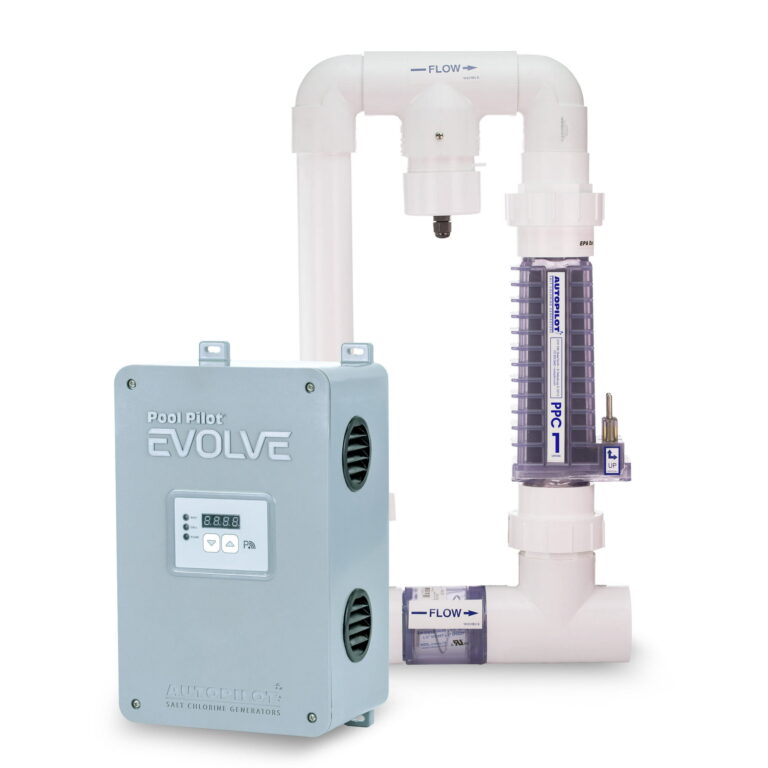
A salt chlorine generator (like the AutoPilot system shown below) converts salt into chlorine through a process called electrolysis. This keeps your pool clean without manually adding chlorine tablets or liquid.
Instead of constantly managing chemicals, the system:
Produces a steady level of chlorine
Reduces spikes and drops in water chemistry
Creates a more balanced swimming experience
| Feature | Salt Water Pool | Chlorine Pool |
|---|---|---|
| How It Sanitizes | Uses a salt chlorine generator to create chlorine automatically. | Requires chlorine tablets, liquid chlorine, or granules to be added manually. |
| Water Feel | Softer, smoother feel that many swimmers find more comfortable. | Can feel harsher on skin and hair, especially with heavy chlorine use. |
| Odor | Little to no strong chlorine smell. | More likely to have a noticeable chlorine odor. |
| Skin & Eye Irritation | Often gentler on eyes and skin when properly balanced. | More likely to cause dry skin, red eyes, and irritation if levels swing too high. |
| Daily Maintenance | Lower day-to-day effort because chlorine is generated automatically. | Higher day-to-day attention due to manual chlorine additions and monitoring. |
| Upfront Cost | Higher upfront cost because a salt system must be installed. | Lower upfront cost because no salt generator is required. |
| Long-Term Cost | Can be more cost-effective over time with reduced chemical purchasing. | Ongoing chlorine, shock, and chemical costs can add up over time. |
| Chemical Handling | Less need to buy, store, and handle chlorine products. | Requires more regular handling and storage of pool chemicals. |
| Best Fit For | Homeowners who want softer water, less chemical handling, and easier maintenance. | Homeowners who prefer a lower initial investment and traditional pool care methods. |
Benefits of a Salt Water Pool
1. No Harsh Chlorine Smell
You eliminate that strong “public pool” odor.
2. Softer, More Comfortable Water
Salt systems create water that feels:
- Smoother on skin
- Less irritating to eyes
- Better for frequent swimmers
3. Lower Long-Term Costs
While the system has an upfront cost, you’ll:
- Buy fewer chemicals
- Reduce shock treatments
- Save over time
4. More Consistent Water Quality
The system produces chlorine continuously, preventing:
Sudden chemical imbalances
Algae outbreaks
5. Less Maintenance Stress
No more constant measuring, mixing, and adjusting.
Drawbacks of Salt Water Pools (What Most Companies Don’t Tell You)
Let’s keep this honest—this is what builds trust and converts.
1. Higher Upfront Cost
Salt systems typically range from:
$1,500–$2,500 installed
2. Salt Cell Replacement
- Lifespan: ~3–7 years
- Replacement cost varies
3. pH Management Is Still Required
Salt systems can raise pH levels, so monitoring is still important.
4. Potential Corrosion (If Not Maintained)
Without proper balance, salt can affect:
- Metal fixtures
- Heaters
- Ladders
The key takeaway: It’s lower maintenance—not zero maintenance.
Cost Comparison: Salt vs Chlorine Pools
Traditional Chlorine Pool Costs
Ongoing chemical purchases
Shock treatments
Storage and handling
Salt Water Pool Costs
Initial system investment
Minimal ongoing chemical costs
Occasional cell replacement
Over time, many homeowners find salt systems more cost-effective, especially with rising chemical prices.
Should You Convert Your Pool to Salt Water?
A salt system is a great fit if you:
Want to reduce chemical handling
Are tired of chlorine irritation
Use your pool frequently
Want a more “luxury” swimming experience
For Long Island homeowners, especially in Nassau and Suffolk County, salt systems are becoming the go-to upgrade for modern pools.
Upgrade Your Pool with a Salt System
If you’re considering making the switch, the right system makes all the difference.
At Suntek Pools & Spas, we offer professional installation of high-quality salt chlorine generators like the AutoPilot system—designed for reliability, efficiency, and long-term performance.
Explore your options here:
https://www.suntekpoolsandspas.com/salt-systems/
📍 Visit us: 1282 Broadhollow Rd, Farmingdale, NY 11735
📞 Call: 1-631-249-7727